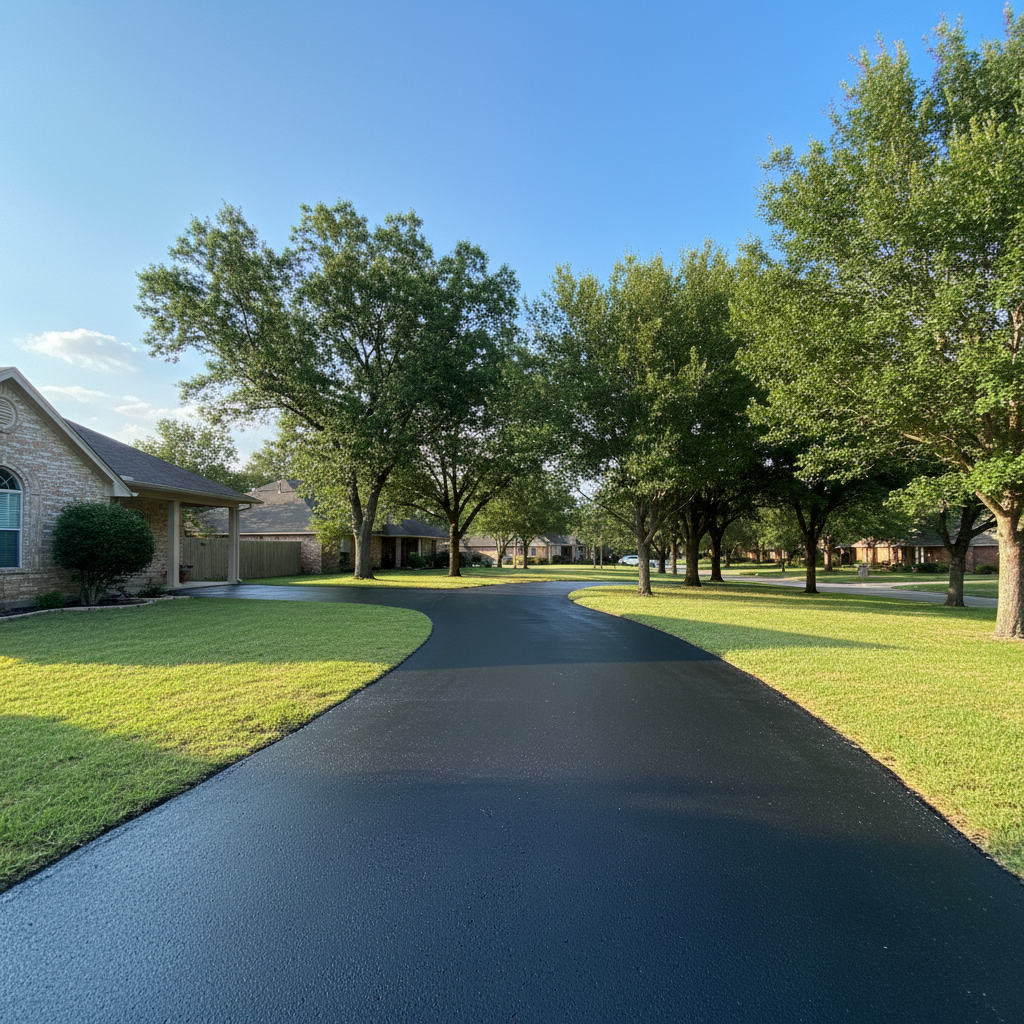
You just invested in sealcoating your asphalt driveway or parking lot. That's a smart move, especially here in Victoria where the sun beats down hard and those summer rains can really take a toll. But getting it done is only half the battle. To truly get your money's worth and keep your asphalt looking good and lasting long, you've got to take care of it. Think of it like changing the oil in your truck; it's preventative maintenance that saves you a headache and a lot of cash down the road.
Extending Your Sealcoat's Lifespan
The biggest thing you can do right after we've finished the job is just be patient. We always tell folks to stay off it for at least 24-48 hours, sometimes longer if it's really humid or cool. You don't want to drive on it too soon and mess up that fresh layer. After that, there are a few simple habits that'll make a huge difference.
- Keep it Clean: Sweep off dirt, leaves, and debris regularly. Those things can hold moisture and break down the sealcoat over time.
- Watch for Spills: Oil, gas, and other automotive fluids are sealcoat killers. Clean them up immediately with an absorbent material like cat litter, then scrub gently with a mild detergent and rinse. Don't let them sit.
- Trim Those Edges: If you've got grass or weeds growing along the edges of your asphalt, keep 'em trimmed. Roots can push through and crack the surface, and overgrown plants hold moisture against the pavement.
- Manage Water: Make sure your drainage is good. Puddles that sit on your asphalt for days after a rainstorm will soften the sealcoat and eventually lead to deterioration. If you see standing water, it might be a sign of a bigger issue that needs addressing.
Regular Maintenance: What You Should Be Doing
Beyond those daily habits, there are a few things you should be doing periodically to keep your sealcoat in top shape. It's not rocket science, just common sense.
First, give your asphalt a good visual inspection every few months. Walk around, look closely. Are there any new cracks? Any spots where the sealcoat looks like it's wearing thin? Catching these things early is key. Here in Victoria, with our clay-rich soils, ground movement can sometimes lead to new cracks even in well-maintained asphalt. A fresh sealcoat helps bridge those tiny hairline cracks, but larger ones will need more attention.
If you see small cracks, and I mean really small ones, you can often fill them yourself with a good quality crack filler. Just make sure the crack is clean and dry before you apply it. This prevents water from seeping underneath and causing bigger problems like potholes when it freezes and expands (though we don't get much of that here, water intrusion is still a huge problem).
As for re-sealcoating, most driveways need it every 2-3 years. Commercial parking lots, with heavier traffic, might need it every year or two. It really depends on how much sun and traffic it gets. When you see the color starting to fade significantly, or the surface looks dull and dry, that's usually a good indicator it's time for another coat.
Warning Signs You Can't Ignore
Sometimes, despite your best efforts, problems pop up. Knowing what to look for can save you from a major repair bill down the line. Don't ignore these signals:
- Extensive Cracking: If you see a spiderweb pattern of cracks (alligator cracking) or cracks that are getting wider than a quarter-inch, your sealcoat isn't doing its job anymore. Water is getting in, and the base layer is probably compromised.
- Potholes: These are a clear sign of significant damage. Potholes start small and grow fast, especially after a good rain. They're not just ugly; they're a hazard.
- Fading and Discoloration: While some fading is normal, if large sections of your asphalt are turning gray or brown, it means the sealcoat has worn away completely, leaving the raw asphalt exposed to the elements.
- Loose Aggregate: If you're seeing small stones or gravel coming loose from the surface, that's a sign the binder in your asphalt (and the sealcoat) is failing.
- Standing Water: As I mentioned, puddles that don't drain away can indicate a depression in your asphalt, which will lead to accelerated breakdown.
When to Call a Professional
Look, I'm all for DIY, but some jobs are just better left to the pros. If you're seeing any of those major warning signs – extensive cracking, potholes, significant areas of loose aggregate, or major drainage issues – it's time to pick up the phone. Trying to patch a large pothole yourself often leads to a temporary fix that fails quickly. We've got the right equipment and materials to do it right, the first time.
Also, if you're unsure about the condition of your asphalt or whether it's time for another sealcoat, just give us a call. We're Pacific Asphalt Solutions, and we're happy to come out, take a look, and give you an honest assessment. We'll tell you what we think needs to be done, or if you can hold off for another year. We're not here to sell you something you don't need, just to help you protect your investment and keep your asphalt in good shape for years to come.